
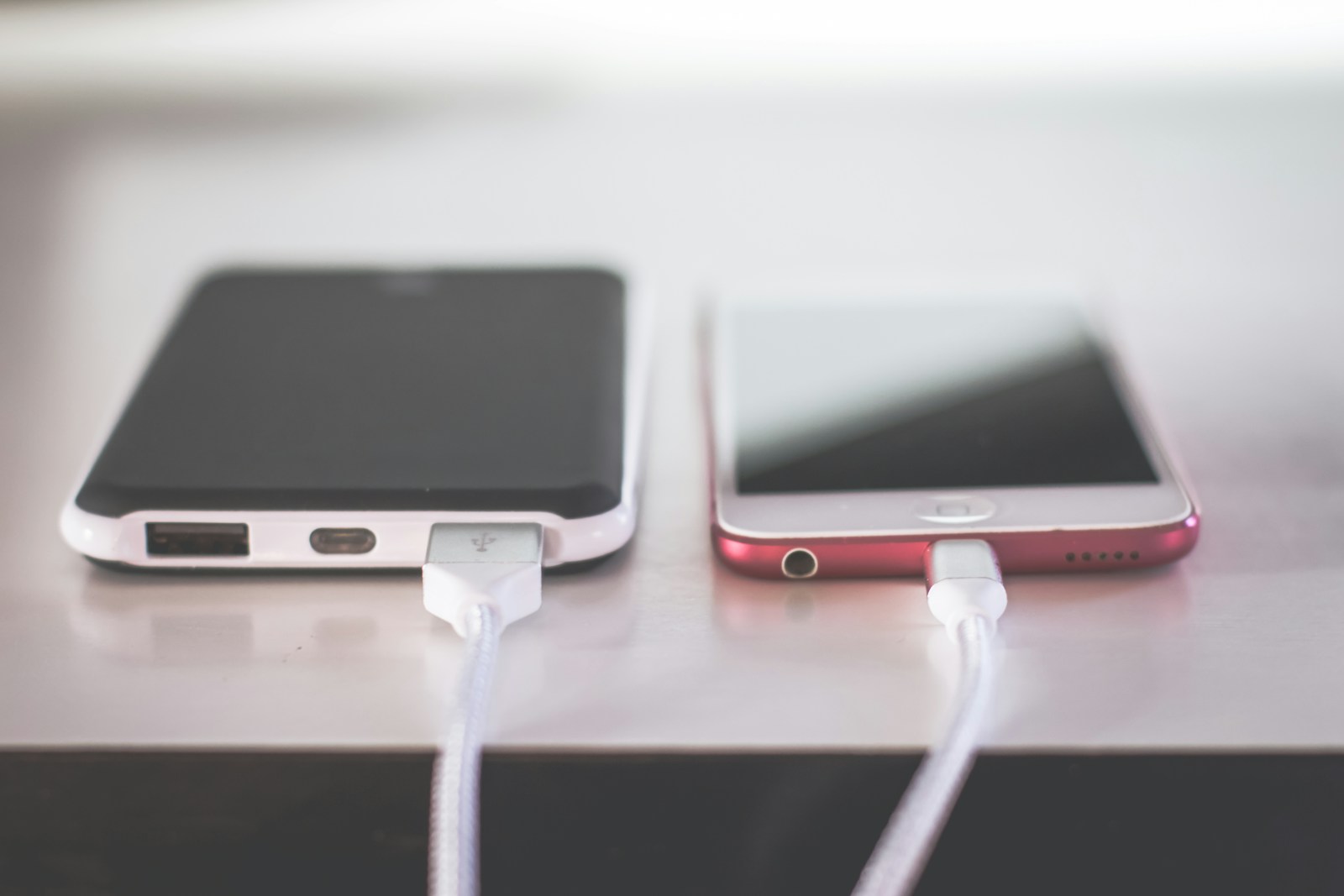
The internet is full of strange “hacks,” and one of the worst to resurface is the idea of boiling your phone charger to clean or revive it. Spoiler: that’s not a hack—it’s a hazard.
While it might sound like an easy way to disinfect cables or fix charging issues, dunking any electronic component in boiling water is a fast track to destroying it (and possibly yourself). Still, there are safe, innovative ways to keep your charger working like new.
Why Boiling Is a Terrible Idea
Phone chargers contain wires coated in thin insulation, along with small metal parts that corrode easily when exposed to moisture. When you boil a charger, water seeps into joints and pins, causing internal rust and short circuits. Even if it seems to “work” afterward, it’s likely unsafe. Water damage can create hidden weak points that spark or overheat later.
Heat also warps the rubber and plastic casing, making the cord brittle or sticky to the touch. That’s why even cleaning it with very hot water can lead to exposed wires over time. And if it’s plugged in while wet? You’re risking electric shock or a fire hazard.
In short: never submerge, boil, or microwave your charger. Ever.
What You Should Do Instead
There are safe and effective alternatives for cleaning and maintaining your charger without damaging it or your phone.
1. Wipe With Alcohol, Not Water
To disinfect your charger or cable, first unplug it. Dampen a soft cloth with isopropyl alcohol (at least 70%) and gently wipe down the exterior. Alcohol evaporates quickly and kills bacteria without damaging insulation. For connector tips, use a cotton swab moistened with alcohol to remove residue or pocket lint.
2. Clean the Charging Port Too
If your phone isn’t charging correctly, the issue may not be the cable. It might be the port. Use a wooden or plastic toothpick to remove lint and debris gently. Avoid using metal pins or paper clips; they can scratch contacts or cause shorts. A few careful swipes are usually enough to restore full charging power.
3. Check for Frays and Weak Spots
Inspect your cable every few weeks for bends, exposed wires, or loosened connectors. A small tear might still be functional now, but it can become a safety risk later. If you see damage near the ends, it’s time to replace, not repair, it. Electrical tape or “DIY fixes” only mask the danger.
4. Use Cable Protectors or Sleeves
To prevent future wear, add silicone cable protectors to both ends of your charger. They reduce strain where cords usually bend and significantly extend their lifespan. You can also loop your cord loosely when storing. Tight coils weaken the wire inside.
5. Store It Right
Avoid leaving chargers in hot cars, near heaters, or in humid bathrooms. Extreme temperature and moisture accelerate deterioration. Keep them coiled loosely in a cool, dry drawer or pouch when not in use.
6. Buy Quality Replacements
Cheap knockoff chargers often lack essential safety features, such as surge protection and proper insulation. Always choose certified cables labeled “MFi” (for Apple) or from trusted manufacturers that meet UL or CE safety standards. Spending a few extra dollars now can save your phone and potentially prevent a fire in the future.
When to Replace Your Charger
If your charger feels hot to the touch, emits a burning smell, or charges inconsistently, stop using it immediately. Those are early signs of internal damage or faulty wiring. Replacing a $15 charger is far safer than risking a $1,000 phone or your safety.
The Takeaway
Boiling your charger won’t clean it; it’ll cook it. However, with proper cleaning, inspection, and storage practices, you can safely extend its life. Treat your charger like any other piece of technology: keep it dry, calm, and handled gently. Your phone (and your fingers) will thank you.
Meta Title:
What Happens If You Boil Your Phone Charger? (Don’t.)
Meta Description:
Boiling your charger ruins it and risks electric shock. Learn safe, effective tips for cleaning, maintaining, and replacing your phone charger the right way.