
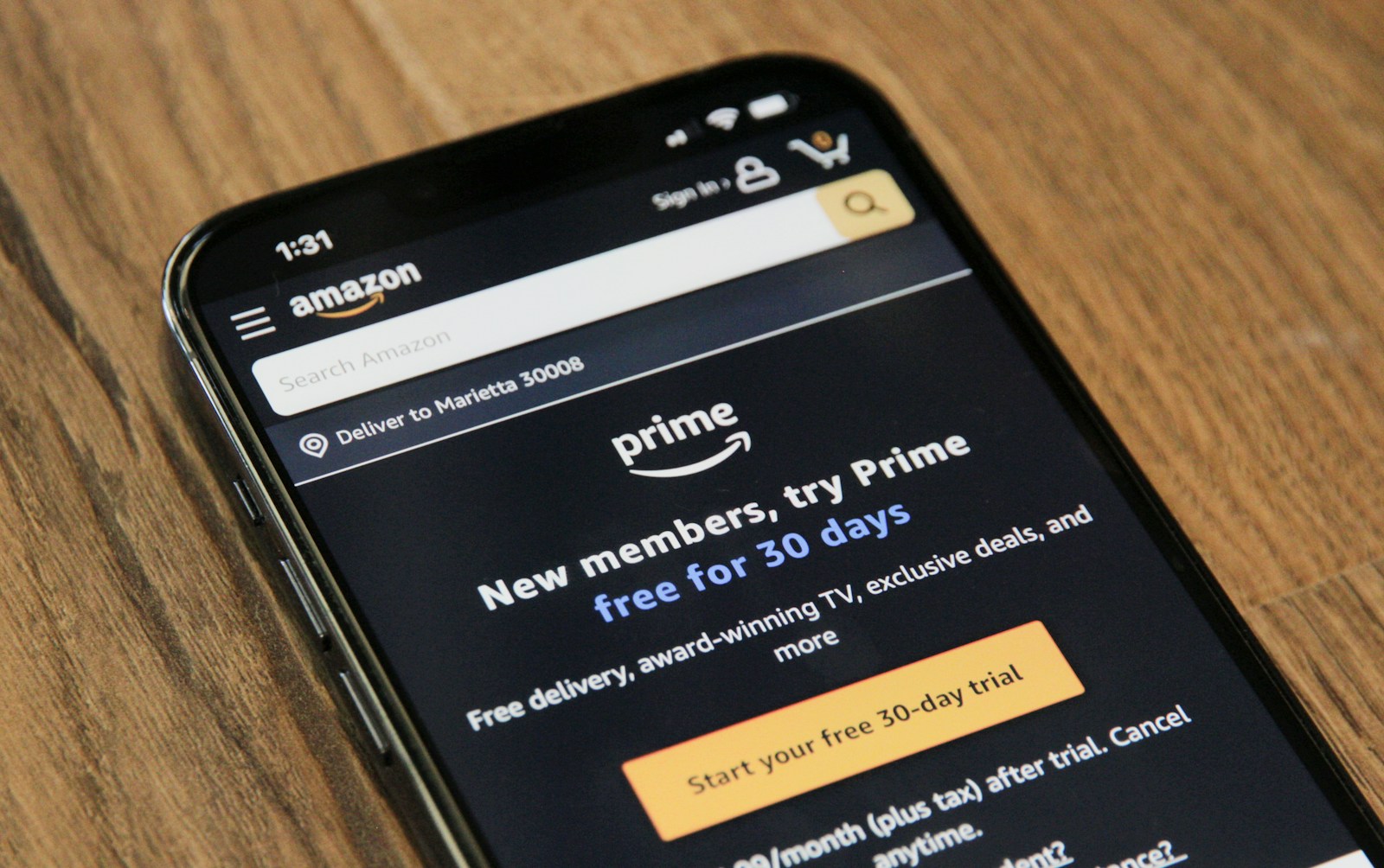
Automatic renewals make life easier, until they quietly drain your bank account for things you no longer need.
From software and streaming services to insurance policies and gym memberships, auto-renewals are designed for convenience, as well as to encourage continued spending. Before letting anything renew automatically, it’s worth taking a moment to check what you’re really paying for.
The Hidden Cost of Convenience
Auto-renewals work because they rely on inattention. Companies know that once you sign up, you’re unlikely to notice small recurring charges. In behavioral economics, this is called “the subscription inertia effect.” You intend to cancel later, but the effort feels too small to prioritize. So the payments keep rolling in.
Even worse, many services raise rates quietly at renewal. A $79 annual subscription can turn into $99 or $120 without your realizing it. Always review your renewal emails and check for price changes before agreeing to another cycle.
Check for Usage Before Paying Again
Before an auto-renewal date arrives, ask: “Have I actually used this in the past few months?” For digital tools, log in and check your activity. How often did you use that photo editor, VPN, or workout app? If the answer is “barely,” it’s time to cancel or downgrade.
You can also review your payment history to calculate the cost per use. If your $15 streaming service is used once every three months, that’s equivalent to a $45 movie. Thinking this way helps clarify which services genuinely add value.
Review the Terms and Renewal Dates
Some companies conceal renewal terms in the fine print, particularly for annual contracts. Mark renewal dates on your calendar as soon as you subscribe, with a reminder one month before. This gives you time to evaluate whether the service is still worth it.
For insurance, antivirus software, or professional tools, renewal often includes automatic upgrades you didn’t request. Compare features from last year’s plan with the new one to make sure you’re not paying for extras you don’t need.
Don’t Fall for “Loyalty” Pricing
Ironically, sticking with the same company often costs more than switching to a new one. Many services offer lower rates to new customers while long-time users pay full price through auto-renewal. Before renewing, check competitors’ deals or contact customer service and ask if they can match a lower price. Companies often offer instant discounts when you mention canceling your service.
Watch for Dark Patterns
Some businesses employ manipulative tactics known as “dark patterns” to make cancellation difficult. They may hide the cancel button, require phone calls, or use guilt-inducing pop-ups, such as “Are you sure you want to lose your progress?” If you encounter this issue, take screenshots for documentation and search for “how to cancel [service name]” for direct instructions.
For credit card renewals, remember: you have the right to stop recurring payments through your bank. If a company won’t honor your cancellation, your financial institution can block future charges.
Evaluate Annual vs. Monthly Billing
Annual plans often seem cheaper per month, but they remove flexibility. If you’re unsure how long you’ll need a service, start with a monthly plan until you’re confident it’s worth a full year. Paying annually makes sense only if it’s something you’ll consistently use.
For existing annual subscriptions, calculate the actual savings. Sometimes the “discount” is only a few dollars. The upfront cost may not justify the commitment.
Conduct a Yearly Renewal Audit
Once a year, set aside time to review every auto-renewing service, from digital subscriptions to insurance and memberships. Note renewal dates, total costs, and usage frequency. Cancel or pause anything that’s not essential. Many people reclaim hundreds of dollars annually from this simple practice.
The Freedom of Awareness
Auto-renewals aren’t inherently bad. However, they require your attention. By checking before you renew, you make each purchase intentional rather than automatic. You’ll spend on things that genuinely improve your life, and stop funding the ones that don’t.