Buying in bulk isn’t just for large families or warehouse shoppers. It’s a smart strategy for anyone who wants to save money, reduce waste, and simplify errands. The key is knowing the best things to buy in bulk and what’s not.
Here are ten everyday items that make financial and practical sense to stock up on, along with a few tips on how to store them properly.
1. Paper Products
Toilet paper, paper towels, and tissues are essentials that never expire and always come in handy. Buying them in bulk can save up to 30% compared to smaller packs. Store extras in a dry area, like a linen closet or under the bed in storage bins, to keep them clean and fresh.
See What ‘Unit Price’ Tags Can Teach You About Smart Shopping to compare bulk deals the right way.
2. Cleaning Supplies
Dish soap, laundry detergent, and surface cleaners are all items you’ll use regularly, making them ideal for bulk purchases. Refill from larger containers into smaller, easy-to-handle bottles to save both space and money. For eco-friendly homes, consider concentrated cleaning solutions. You’ll use less plastic and shelf space.
3. Batteries
Between remotes, flashlights, and wireless devices, batteries disappear fast. Buying multipacks of common sizes (AA, AAA, and 9V) saves money and ensures you’re never scrambling during a power outage. Store them in a cool, dry place. Extreme temperatures shorten their lifespan.
4. Coffee and Tea
If you’re a daily coffee drinker, bulk buying coffee beans or tea bags can significantly reduce your cost per cup. Keep coffee sealed airtight and out of direct sunlight; store tea in tins or resealable bags. If you buy ground coffee, freeze portions to preserve freshness.
Check out How to Tell If a ‘Deal’ Is Actually a Ripoff to avoid flashy discounts that don’t really save.
5. Toiletries
Toothpaste, soap, deodorant, shampoo, and razors are everyday essentials that rarely go bad. Buying multipacks means you’ll always have backups when one runs out. Rotate your stock so older items get used first, especially if you buy in large quantities during sales.
6. Pantry Staples
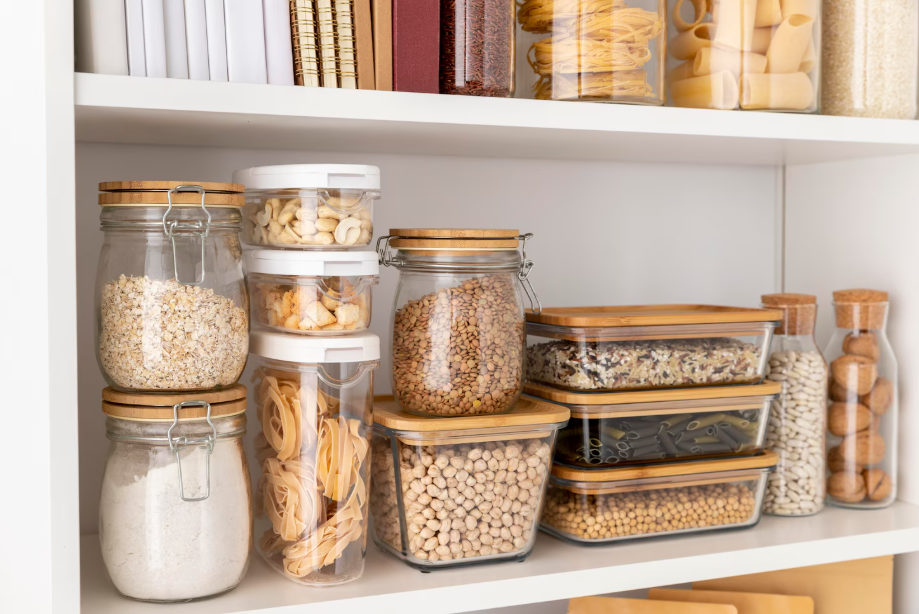
Dry goods, such as rice, beans, pasta, flour, and sugar, are among the best bulk items. They’re inexpensive, last for months (or years), and form the base of countless meals. Use airtight containers or glass jars to keep out moisture and pests, and label them with expiration dates. The USDA offers a comprehensive overview of food safety basics.
7. Trash Bags
Trash bags don’t expire, and you’ll always need them. Buying in bulk reduces both cost and the annoyance of running out mid-cleanup. Choose sturdy, multi-purpose bags that fit various bin sizes to maximize the value of your purchase.
Try The ‘Envelope Trick’ That Helps You Stick to Any Budget to keep bulk spending in check.
8. Pet Supplies
Pet food, litter, and waste bags can add up quickly when bought in small quantities. Bulk buying saves a significant amount of money over time. Be sure to store food in airtight containers to prevent spoilage and keep it fresh for your furry friends.
9. Light Bulbs
Light bulbs are another everyday essential that’s easy to overlook until one burns out. Buying LED bulbs in multi-packs is more cost-effective per bulb and saves energy in the long run. Keep a labeled box with spares in a convenient spot so replacements are quick and easy.
10. Non-Perishable Snacks
Granola bars, nuts, and trail mix are great bulk items for those who snack frequently. Buying individually wrapped or resealable options helps keep portions fresh for longer. Just make sure you actually eat them regularly. Bulk buying only works if you use what you buy.
Read What Happens When You Save Just 1% More? for a simple boost to long-term savings.
Bonus Tip: Avoid the Bulk Trap
Not everything is worth buying in bulk. Skip anything that spoils quickly, such as cooking oils, condiments, or perishable produce, unless you plan to use it within a short time. The goal is to save money, not waste it.
Stocking up strategically means fewer grocery trips, less stress, and more savings. When you buy smart and store smart, bulk shopping becomes less about abundance and more about efficiency.