
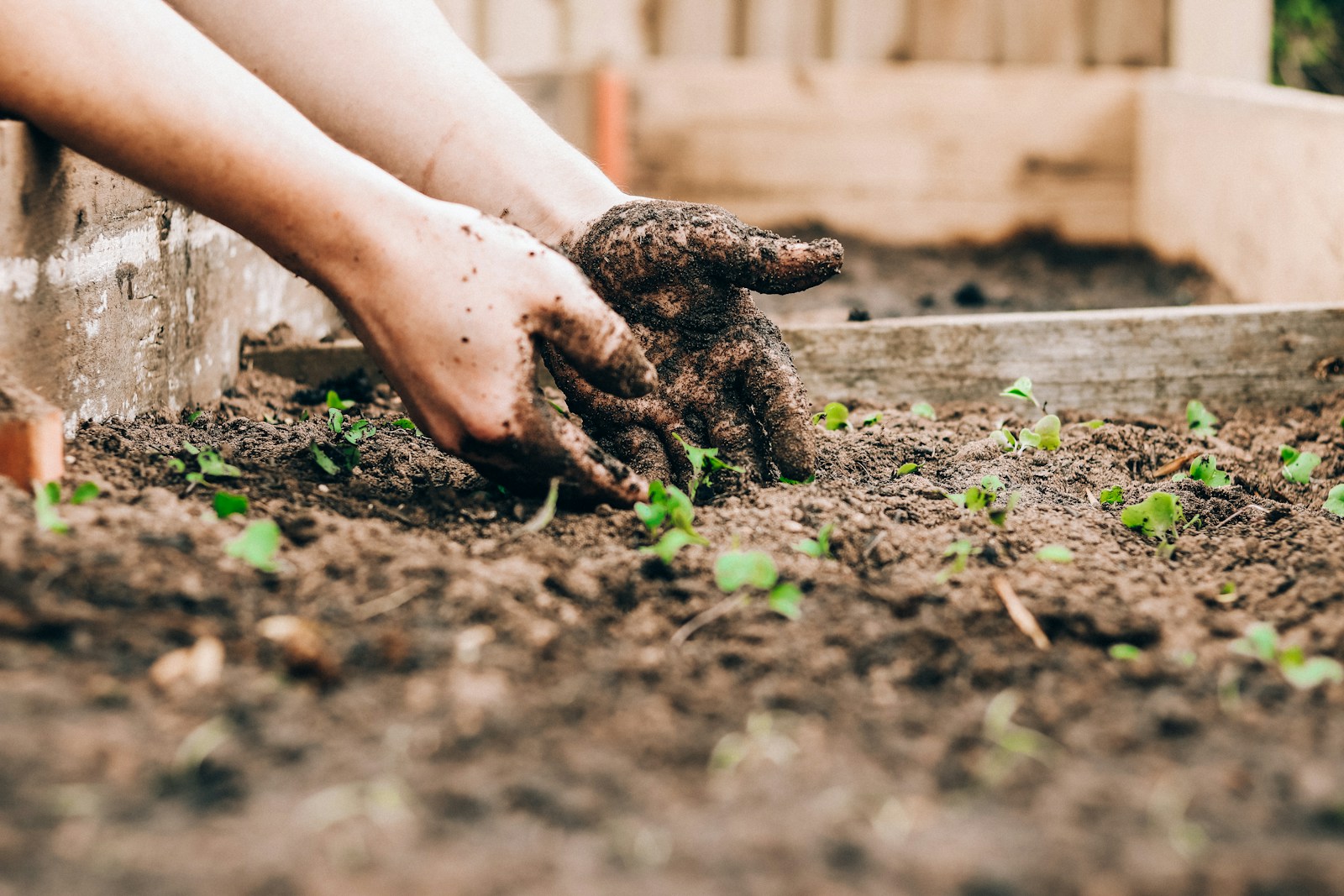
Every seasoned gardener has one golden rule: plant with the weather, not just the calendar. You can have the best soil, seeds, and tools, but if the weather isn’t right, your hard work may never take root.
Understanding one simple weather cue, soil temperature, and local microclimate, can make the difference between thriving plants and early failure. Here’s how to read the signs nature gives you before you plant anything in the ground.
Know Your Local Frost Dates
The number one reason gardens fail early is planting before the last frost has passed. Even one surprise cold snap can destroy seedlings overnight. Instead of relying on general planting dates for your region, look up your specific zip code’s average frost date on a site like the National Gardening Association’s database.
But don’t just go by the numbers. Watch your local patterns. Some years, cold weather lingers weeks longer than usual. A few extra days of patience can save weeks of replanting later.
Tip: Mark both your average last frost date (spring) and first frost date (fall) on a wall calendar. Use them to plan not only when to start seeds but also when to harvest.
Check the Soil Temperature, Not Just the Air
This is the quick weather tip even experienced gardeners sometimes forget. The air may feel warm, but cold soil can still shock roots and stunt growth. Most vegetables won’t germinate until the soil stays above 50°F (10°C) for several consecutive days.
To test it, purchase an inexpensive soil thermometer from a local garden center. Insert it 2–3 inches deep in the morning and again in the evening for a few days. When readings stay consistently above your crop’s preferred range, it’s planting time.
General guidelines:
- Cool-weather crops (peas, spinach, lettuce): 45–55°F
- Warm-weather crops (tomatoes, peppers, cucumbers): 60–70°F
- Root vegetables (carrots, beets, potatoes): 50–60°F
Once the soil hits the right temperature, seeds sprout faster and grow stronger.
Understand Your Microclimate
Even within the same neighborhood, microclimates can vary dramatically. A sunny corner by a wall might stay 5–10 degrees warmer than an open area, while shaded or low-lying spots trap cool, damp air.
Walk your yard at different times of day and notice patterns: which areas warm up first, stay damp longer, or get more wind. Use those observations to match plants with the right spots. For example, basil and peppers thrive in warm, sunny areas near a wall, while lettuce prefers cooler, shaded beds.
Tip: South-facing areas get the most sunlight in the Northern Hemisphere, making them ideal for heat-loving plants.
Watch the Weather Trends, Not Just Forecasts
Meteorologists predict general conditions, but local trends tell you more about what your soil and plants are experiencing. Keep a simple garden journal where you jot daily highs, lows, and rainfall. Over time, you’ll spot patterns, such as how long it takes your soil to warm after heavy rain or how windy days affect moisture.
Those notes become your personal planting guide, helping you predict the best timing year after year. This is more accurate than any app.
Adjust for Elevation and Wind
If you live in a hilly area, lower spots collect cold air overnight, while higher ground warms first. Likewise, strong winds can dry soil faster and chill plants. Consider simple windbreaks (like fencing or hedges) and raised beds in low-lying zones to stabilize conditions.
Tip: Mulch early-season beds with straw or leaves to insulate the soil and maintain steady warmth until the weather stabilizes.
The Takeaway
Before you plant, let the weather, not your excitement, set the pace. By checking soil temperature, watching frost dates, and understanding your garden’s microclimate, you’ll give your plants the head start they need. The best gardeners don’t guess the season; they read it. One thermometer and a little patience can turn any patch of dirt into a thriving garden.
Meta Title:
The Quick Weather Tip Every Gardener Should Know Before Planting
Meta Description:
The Quick Weather Tip Every Gardener Should Know Before Planting
Every seasoned gardener has one golden rule: plant with the weather, not just the calendar. You can have the best soil, seeds, and tools, but if the weather isn’t right, your hard work may never take root.
Understanding one simple weather cue, soil temperature, and local microclimate, can make the difference between thriving plants and early failure. Here’s how to read the signs nature gives you before you plant anything in the ground.
Know Your Local Frost Dates
The number one reason gardens fail early is planting before the last frost has passed. Even one surprise cold snap can destroy seedlings overnight. Instead of relying on general planting dates for your region, look up your specific zip code’s average frost date on a site like the National Gardening Association’s database.
But don’t just go by the numbers. Watch your local patterns. Some years, cold weather lingers weeks longer than usual. A few extra days of patience can save weeks of replanting later.
Tip: Mark both your average last frost date (spring) and first frost date (fall) on a wall calendar. Use them to plan not only when to start seeds but also when to harvest.
Check the Soil Temperature, Not Just the Air
This is the quick weather tip even experienced gardeners sometimes forget. The air may feel warm, but cold soil can still shock roots and stunt growth. Most vegetables won’t germinate until the soil stays above 50°F (10°C) for several consecutive days.
To test it, purchase an inexpensive soil thermometer from a local garden center. Insert it 2–3 inches deep in the morning and again in the evening for a few days. When readings stay consistently above your crop’s preferred range, it’s planting time.
General guidelines:
- Cool-weather crops (peas, spinach, lettuce): 45–55°F
- Warm-weather crops (tomatoes, peppers, cucumbers): 60–70°F
- Root vegetables (carrots, beets, potatoes): 50–60°F
Once the soil hits the right temperature, seeds sprout faster and grow stronger.
Understand Your Microclimate
Even within the same neighborhood, microclimates can vary dramatically. A sunny corner by a wall might stay 5–10 degrees warmer than an open area, while shaded or low-lying spots trap cool, damp air.
Walk your yard at different times of day and notice patterns: which areas warm up first, stay damp longer, or get more wind. Use those observations to match plants with the right spots. For example, basil and peppers thrive in warm, sunny areas near a wall, while lettuce prefers cooler, shaded beds.
Tip: South-facing areas get the most sunlight in the Northern Hemisphere, making them ideal for heat-loving plants.
Watch the Weather Trends, Not Just Forecasts
Meteorologists predict general conditions, but local trends tell you more about what your soil and plants are experiencing. Keep a simple garden journal where you jot daily highs, lows, and rainfall. Over time, you’ll spot patterns, such as how long it takes your soil to warm after heavy rain or how windy days affect moisture.
Those notes become your personal planting guide, helping you predict the best timing year after year. This is more accurate than any app.
Adjust for Elevation and Wind
If you live in a hilly area, lower spots collect cold air overnight, while higher ground warms first. Likewise, strong winds can dry soil faster and chill plants. Consider simple windbreaks (like fencing or hedges) and raised beds in low-lying zones to stabilize conditions.
Tip: Mulch early-season beds with straw or leaves to insulate the soil and maintain steady warmth until the weather stabilizes.
The Takeaway
Before you plant, let the weather, not your excitement, set the pace. By checking soil temperature, watching frost dates, and understanding your garden’s microclimate, you’ll give your plants the head start they need. The best gardeners don’t guess the season; they read it. One thermometer and a little patience can turn any patch of dirt into a thriving garden.
Read More: 7 Clever Refrigerator Hacks to Keep Food Fresh Longer